As a summary of our beliefs, we teach the following fundamental doctrines of the Christian faith.
Section 1 The Holy Scriptures
The Holy Scriptures of the Old and New Testaments are the divinely inspired Word of God, containing all things necessary for salvation, and serving as the supreme and infallible rule of faith and life. (2 Tim. 3:16-17, 2 Peter 1:20-21). Breathed by the Holy Spirit, the Scriptures are to be faithfully read and proclaimed in continuity with the Patristic witness and the consensus of the early, undivided Church, guarding the faithful against error and guiding them into all truth. (John 16:12-13, Mt. 5:18).
Section 2 The Godhead
- There is one Triune God, eternally existing in three persons – Father, Son and Holy Spirit … co-eternal in being, co-identical in nature, co-equal in power and glory, and having the same attributes and perfections. (Deut. 6:4, Mt. 28:19-20, 2 Cor. 13:14)
- This Triune God is infinite, eternal, and unchangeable in His being, wisdom, power, holiness, justice, goodness, and truth; and He is the creator of all things. (John 4:24, Luke 24:39, Ps. 90:2, Gal. 3:6, James 1:17, Is. 44:24, Rev. 9:6, 1 John 3:20, Ps. 147:5, Ps. 139:7-10, Jer. 23:24)
Section 3 The Person and Work of the Father
- The Father, who is spirit, with the Son and the Holy Spirit, was active in creation and, along with the Son sustains the creation. He is the first cause and source of all things. (John 6:46, 1 Tim. 6:16, Gen. 1:1-2, 1 Cor. 8:6)
- The Father willed and decreed the plan of salvation. He elects calls, justifies, forgives, reconciles, adopts and glorifies the redeemed. (Matt 26:39, Rom. 8:28-33, Eph 1:3-6)
Section 4 The Person and Work of the Son
- The Lord Jesus Christ, the eternal Son of God, became man, without ceasing to be God, having been conceived by the Holy Spirit and born of the Virgin Mary, in order that He might reveal God and redeem sinful man. (John 1:1-2, 14, Luke 1:3 5)
- The Lord Jesus Christ accomplished our redemption through His life of perfect obedience to the Law, His death on the cross as a representative, vicarious, substitutionary sacrifice, and our justification is made sure by His literal, physical, resurrection from the dead. (Rom. 3:24-25, 1 Peter 2:24, Eph. 1:7, 1 Pet. 1:3-5)
- The Lord Jesus Christ ascended to heaven, and is now exalted at the right hand of God, where, as our High Priest, He fulfills the ministry of Representative, Intercessor, and Advocate. (Acts 1:9-10, Heb. 9:24, 7:25, Rom. 8:34, 1 John 2:1-2)
Section 5 The Person and Work of the Holy Spirit
- The Holy Spirit is a person who convicts the world of sin, of righteousness, and of judgment, and He is the supernatural agent in regeneration, baptizing all believers into the Body of Christ, indwelling and sealing them unto the day of redemption. As the uncreated power of the Godhead, He actively sustains the biological and spiritual life of the believer, mediating the continuous presence of the glorified Christ(John 16:8-11, 2 Cor. 3:6, 1 Cor. 12:12-14, Rom. 8:9, Eph. 1:13-14)
- He is the Divine Teacher who guides believers into all truth, and it is the privilege and duty of all the saved to be filled with the Spirit. (John 16:13, 1 John 2:20, 27, Eph. 5:18)
Section 6 Creation, the Fall and the Depravity of Man
God created the heavens and the earth from nothing, by His Word. Humanity was created in the image and likeness of God to share in His divine communion. In the ancestral fall of Adam, human nature was deeply wounded, inheriting a fractured condition and an inclination toward sin, yet the Imago Dei within was not obliterated. Though humanity is unable to achieve salvation apart from divine grace, the human consciousness, illumined by God’s prevenient grace, remains capable of responding to the drawing of the Holy Spirit. We maintain the absolute Creator-creature distinction; humanity reflects God’s character but does not possess His divine essence. The created order, currently subjected to the effects of the fall, awaits its ultimate redemption. (Gen. 1:26-27, Rom. 5:12, Eph. 2:1-3).
Section 7 Salvation
Salvation is the gift of God brought to man by grace alone and received by personal faith in the Lord Jesus Christ, whose precious blood was shed on Calvary for the forgiveness of our sins. (Eph. 2:8-10, John 1:12, Eph. 1:7, 1 Peter 1:18-19). We believe that the redemptive work of Christ provides for the holistic well-being of the believer. As an expression of the inbreaking Kingdom of God, we earnestly pray for, expect, and celebrate God’s miraculous healing and faithful provision in this present age. We hold in biblical tension the victorious, present power of the Holy Spirit with the profound reality of human suffering, acknowledging that God’s grace is frequently perfected in our weakness (2 Cor. 12:9). We do not view temporary affliction as a lack of faith, but endure it with an eternal perspective, eagerly awaiting the ultimate eradication of all sickness, sorrow, and poverty at the resurrection of the dead and the final consummation of Christ’s Kingdom.
Section 8 The Assurance of Believers
- All the redeemed, once saved, are preserved by God’s power and are in Christ forever. (John 6:37-40, 10:27-30, Rom. 8:1, 38-39, 1 Cor. 1:4-8, 1 Peter 1:5). All the redeemed are kept by God’s power and remain secure in Christ as they walk in faith.
- It is the privilege of believers to rejoice in the assurance of their salvation through the testimony of God’s Word, which, however, clearly forbids the use of Christian liberty as an occasion to the flesh. This privilege is contingent upon a continuing walk in the Spirit, without which such assurance is presumptuous. (Rom. 13:13- 14, Gal. 5:13, Titus 2:11-15, Rom. 8:5-14, Heb. 11:14-4:1, Heb. 10:22-29)
Section 9 The Nature of the Believer
Every saved person possesses the spiritual competence to lead a life of Christ-like character and to bear fruit to the glory of the Father through the indwelling Holy Spirit; but claims to perfection in this life are unscriptural. Through an unwavering commitment to the Word and sacraments, the believer’s consciousness is continually renewed to reflect the divine nature (Rom. 6:13, 8:12-13, 1 Cor. 6:19-20, Gal. 5:16-25, Eph. 4:22-24, Col. 3:10, Titus 2:14, 1 Peter 1:14-16, 1 John 2:15-17, 1 John 3:5-9, 1:8-10).To facilitate the renewing of the mind, we affirm that while we are not saved by the Law, the moral law of God—summarized in the Ten Commandments—remains the objective, diagnostic yardstick for Christian character. Furthermore, the foundational models of Christ, in Prayer, and the ongoing practice of confession (1 John 1:9), are essential for the relational maintenance of our covenant with God.
Section 10 The Church
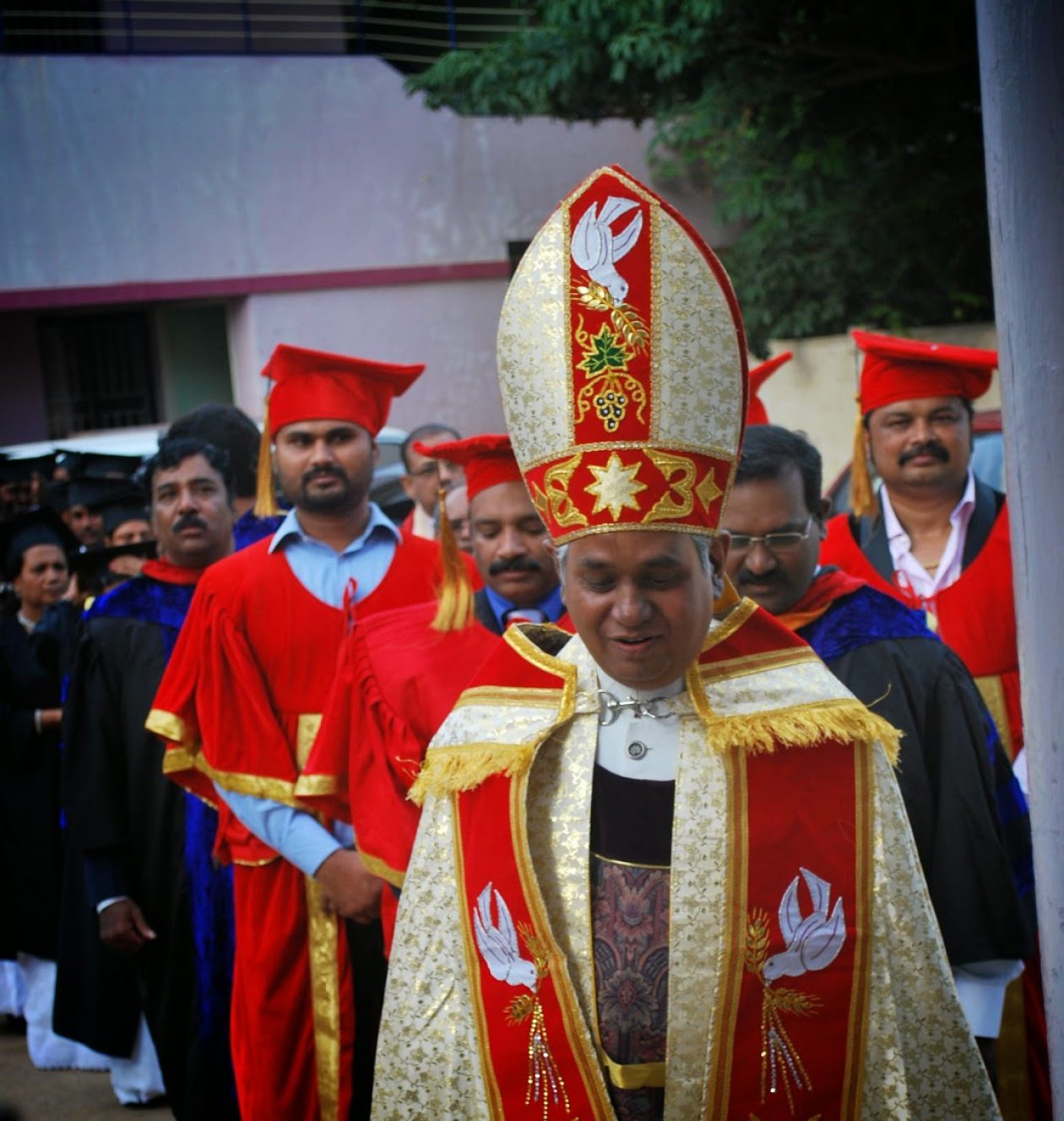
- The Church, which is the body and espoused Bride of Christ, is both a spiritual organism and a visible, historical communion of the faithful. It is the dynamic vessel through which God’s Kingdom is advanced on earth. We affirm the historic, threefold Apostolic orders—bishops, presbyters, and deacons—as the structural vessel that safeguards the Church’s historic orthodoxy and unity. Within and alongside this historic framework, we believe in the dynamic operation of the fivefold ministry gifts for the equipping of the saints. All offices and spiritual competencies must operate under strict, visible structures of mutual accountability, financial transparency, and objective biblical scrutiny. We wholly reject authoritarian leadership models that elevate individuals above the moral law and the collective correction of the Body of Christ. (Eph. 1:22-23, 4:11-13, 1 Tim. 3:1-13, Titus 1:5-11).
- The establishment and continuance of local churches is clearly taught and defined in the New Testament Scriptures. (Acts 14:27, 20:17, 28-32, 1 Tim. 3:1-13, Titus 1: .5-11).
Section 11 The Sacraments and Holy Mysteries
Christ ordained two primary Sacraments of the Gospel: Holy Baptism for believers and the Holy Eucharist (the Lord’s Supper). Far beyond mere symbolic ordinances or acts of human obedience, these Holy Mysteries are dynamic, participatory seals of the New Covenant. They are sure witnesses and effectual signs of grace through which God works invisibly within us, imparting the genuine, real presence and life of the glorified Christ to the believer. The faithful participation in these Sacraments continually nurtures Christ-like character and strengthens the believer’s steadfast commitment to the Body as a whole. (1 Cor. 11:23-24, Acts 2:38, John 6:54, 1 Pet 3:21).
Section 12 Marriage
Marriage is created by God and has only one meaning. It is a covenant relationship uniting one man and one woman under God in a single, exclusive union, the unchangeable standard of Christian marriage between one man and one woman as the proper place for sexual intimacy and the basis of the family.
Section 13 Missions
It is the obligation of the saved to witness by life and by word to the truths of Holy Scripture and to seek to proclaim the Gospel to all mankind. (Mark 16:15, Acts 1:8, 2, Cor. 5:19-20)
Section 14 Satan
Satan is a person, the author of sin and the cause of The Fall; he is the open and declared enemy of God and man; and he, the fallen angels and unsaved mankind shall be eternally punished in the Lake of Fire. (Job 1:6-7, Isa. 14:12-17, Matt. 4:2-11, 25:41, Rev. 20:10)
Section 15 The Second Advent of Christ
We teach the personal, imminent, coming of the Lord Jesus Christ for His redeemed ones and His eternal reign with them in the new heavens and new earth. (1 Thes. 4:13-18,
Rev. 19:11-16, 21:1—4, 1 Thes. 1:10)
Section 16 The Eternal State
All men will be bodily resurrected, the saved to eternal life, and the unsaved to judgment and everlasting punishment. (Mt. 25:46, John 5:28-29, 11:25-26, Rev. 20:5-6, 12-13)
EXTREME DOCTRINAL DEVIATIONS
- Rejection of Repentance and Confession
- The Orthodox Position: While justification (salvation) is a complete, one-time forensic act where a believer’s eternal penalty for sin is paid, sanctification is an ongoing process. Ongoing confession (as outlined in 1 John 1:9) is necessary not to re-earn salvation, but to restore relational fellowship with God, maintain a sensitive conscience, and acknowledge one’s continued reliance on God’s grace. See Titus 2:11-12
- The Deviation: This position argues that because all sins—past, present, and future—are forgiven at the cross, any ongoing confession of sin or repentance demonstrates a “lack of faith” in the finished work of Christ. It treats relational fellowship with God as static, dismissing the need for a believer to ever ask for forgiveness post-salvation.
- Antinomianism (License to Sin)
- The Orthodox Position: Believers are freed from the condemnation of the moral law, but not from its moral imperatives. True grace does not give a license to sin; rather, it empowers the believer to say “no” to ungodliness and live a transformed life (Titus 2:11-12). Genuine faith will naturally produce the fruit of good works and obedience. According to them even the Ten Commandments have no bearing today. Similarly, the Lord’s prayer is ignored.
- The Deviation: The belief that under the “covenant of grace,” a believer’s moral behavior has absolutely no bearing on their spiritual standing, fellowship with God, or eternal reward. Any emphasis on moral obedience, commands of Christ, or behavioral standards is swiftly condemned as “legalism” or “works-based religion.”
- Dismissal of Holy Living and Discipline
- The Orthodox Position: God actively disciplines those He loves, just as a father disciplines a child, to produce a harvest of righteousness (Hebrews 12). The Holy Spirit actively convicts believers of sin to guide them into holiness. Spiritual disciplines (fasting, prayer, self-control) are active partnerships with the Spirit to mortify the flesh.
- The Deviation: Rejects the concept of divine discipline entirely, viewing any sense of guilt, conviction of sin, or hardship as attacks from the devil or a “religious spirit.” Holiness is viewed exclusively as a positional reality, rendering any active pursuit of holy living or self-control as an unnecessary, fleshly effort.
- Minimizing Apostolic Warning
- The Orthodox Position: The entire New Testament is inspired and authoritative. The severe warnings found in books like Hebrews (against apostasy and hardening of the heart) and James (that faith without works is dead) are vital tools the Holy Spirit uses to keep believers vigilant, humble, and persevering in genuine faith.
- The Deviation: Selectively cherry-picks scriptures (often isolating specific Pauline verses) while ignoring or functionally discarding challenging books. Extreme movements will often dismiss the Book of James as “old covenant,” “legalistic,” or meant only for a specific Jewish audience, effectively silencing the biblical warnings against dead faith and unrepentant lifestyles.
- The “Quid Pro Quo” Transaction
- The Orthodox Position: Giving and tithing are acts of worship, obedience, and trust in God’s provision. Believers are called to give cheerfully and generously (2 Corinthians 9:7) out of love for God and neighbor. While God blesses obedience, He cannot be bribed, manipulated, or placed in debt to human beings.
- The Deviation: Giving is reduced to a mechanical, transactional investment. It treats God as a contractual entity who can be manipulated through money.
- Faith as an Impersonal Force
- The Orthodox Position: Faith is relational. It is absolute trust, dependence, and submission to a sovereign, personal God. The power of faith does not lie in the amount of faith a person has, nor in the act of believing itself, but entirely in the object of that faith: God Himself. This was in OT clearly, and they used the word emunah.
- The Deviation: Faith is redefined as a spiritual law or an impersonal, metaphysical force that humans can wield. Through “positive confession” (speaking things into existence), believers are taught they can manipulate reality.
- Denial of the Cross and Suffering
- The Orthodox Position: We live in a fallen world where suffering, illness, and persecution are a reality, and often a guaranteed part of the Christian calling (1 Peter 4:12). While God does heal miraculously, He also uses suffering to refine character, build endurance, and draw believers closer to the sufferings of Christ. Complete physical redemption is reserved for the resurrection.
- The Deviation: Claims that because physical healing and financial prosperity are fully guaranteed in the atonement right now, any experience of sickness, poverty, or tragic suffering is the direct result of a believer’s “negative confession,” hidden sin, or lack of faith. It completely removes the theology of suffering from the Christian experience.
- Man-Centered (Anthropocentric) Theology
- The Orthodox Position: Theology is Theo-centric (God-centered). The chief end of man is to glorify God and enjoy Him forever. God’s will is supreme, and prayer is primarily about aligning the believer’s heart and will with God’s sovereign purposes, even when it requires sacrifice.
- The Deviation: Theology becomes entirely Anthropocentric (man-centered). God is reduced to a cosmic bellhop, a means to an end whose primary function is to underwrite human success, fulfill earthly ambitions, and guarantee personal happiness. The focus shifts from “Thy will be done” to “My will be done, in the name of Jesus.”
Solidarity in Historic Orthodoxy
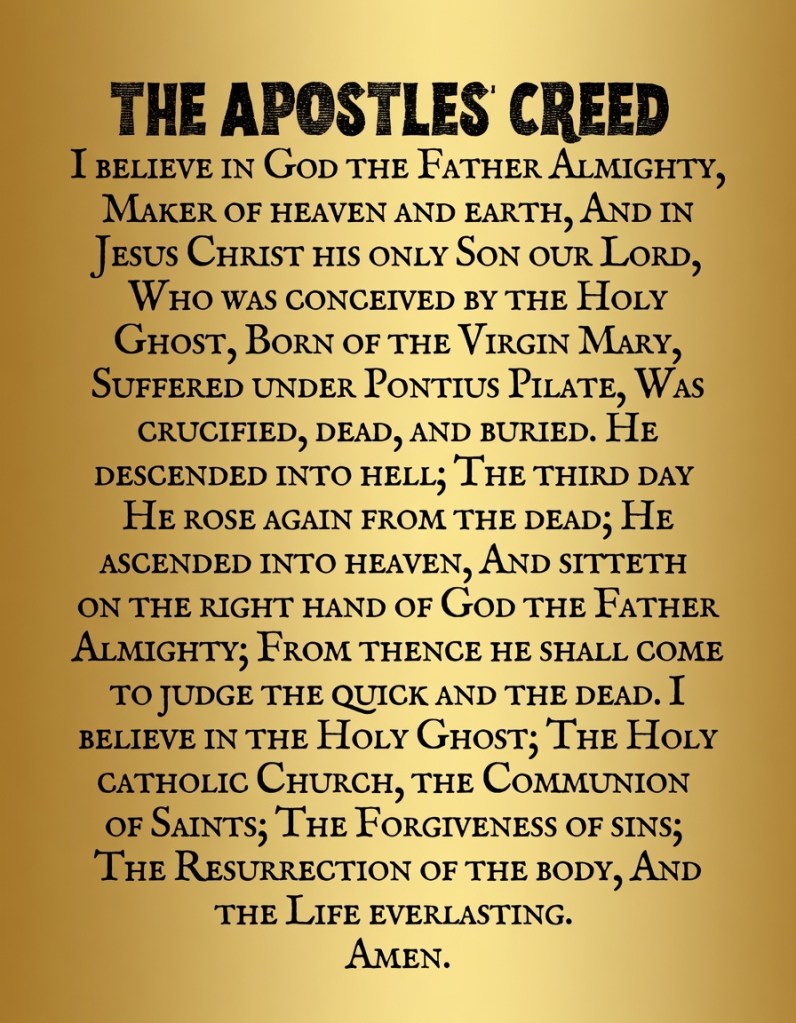
In a cultural moment marked by the revision and erosion of biblical truth, we wholly align with the ultimate authority of the Holy Scriptures, the uniqueness of Jesus Christ as the sole mediator of salvation, and the biblical definition of marriage. Furthermore, we stand upon the shared foundation of the historic Christian faith, jointly upholding the three Ecumenical Creeds (Apostles’, Nicene, and Athanasian) and the dogmatic definitions of the first four undisputed Ecumenical Councils. In this, we joyfully extend the right hand of fellowship to all global communions and orthodox believers who defend the faith once for all delivered to the saints.